Wadhwani's Dental
Understanding the Process of Getting Braces: A Painless Journey with Dr. Ashwini Wadhwani
If you have been thinking about braces, it is normal to feel a little unsure. Many people—especially middle and old aged adults—worry about discomfort, long treatment time, or feeling awkward during the process. The good news is that braces today are far more comfortable than what you may remember from years ago, and with the right planning, your experience can be truly painless.
At Wadhwani Dental in Sardarnagar, Ahmedabad, we focus on advanced and painless dentistry, and we guide you step-by-step so you always know what is happening and why. Under the care of Dr Ashwini Wadhwani, Gold Medalist, our team helps patients choose the right solution—whether that is braces or clear aligners—based on your comfort, lifestyle, and smile goals.
This blog explains the complete journey: from your first consultation, to fitting, adjustments, daily care, and finally removing braces and keeping your results. If you have been waiting for the “right time,” reading through this process can help you feel confident to begin.
Why People Choose Braces (Even as Adults)
Braces are not only for teenagers. Adults often come in with long-standing concerns that they have ignored for years—crooked teeth, gaps, teeth that have shifted over time, or bite problems that make chewing uncomfortable. Some people also notice that cleaning becomes harder when teeth overlap, which can lead to more dental issues if left unattended.
Many middle-aged and older adults choose braces because they want a healthier mouth and a more confident smile. Teeth that are better aligned are often easier to clean, and a comfortable bite can reduce daily strain while eating. It is not about looking “perfect”—it is about feeling good and taking care of yourself in a practical way.
With modern techniques and careful planning, getting braces can be a painless experience. At Wadhwani Dental, we also discuss other options like clear aligners when appropriate, so you can select a plan that suits your comfort and routine.
Step 1: Your First Consultation at Wadhwani Dental
The first visit is mainly about understanding you. We listen to what you want to improve—maybe your front teeth look uneven, you have difficulty chewing, or you feel your smile has changed with age. Dr Ashwini Wadhwani (Gold Medalist) and our team keep the conversation simple and clear, so you never feel confused.
Next, we check your teeth, gums, and bite. This helps us decide the safest and most effective path. If there are cavities, gum concerns, or old dental work that needs attention, we plan it properly so your braces journey stays smooth and painless. A calm, planned start makes the entire treatment more comfortable.
At this stage, you also get a realistic idea of how long treatment may take and what kind of results you can expect. There is no rushing—only a step-by-step plan that fits your needs.
Step 2: Smile Scanning and Planning (Comfortable and Accurate)
One of the biggest reasons braces feel easier today is better planning. At Wadhwani Dental, we use an inhouse iTero scanner for precise digital scanning. Many patients prefer scanning because it feels more comfortable than older methods, and it gives a clear picture of your teeth.
These scans help us plan your treatment carefully. When the plan is accurate, the movement of teeth is more controlled, which supports a more painless experience. It also helps us explain things visually—so you can actually understand what is going to happen to your smile over time.
Planning is not only about straightening teeth. It is also about maintaining healthy gums, balancing your bite, and making sure the final smile looks natural for your face and age.
Step 3: Choosing the Right Option: Braces or Clear Aligners
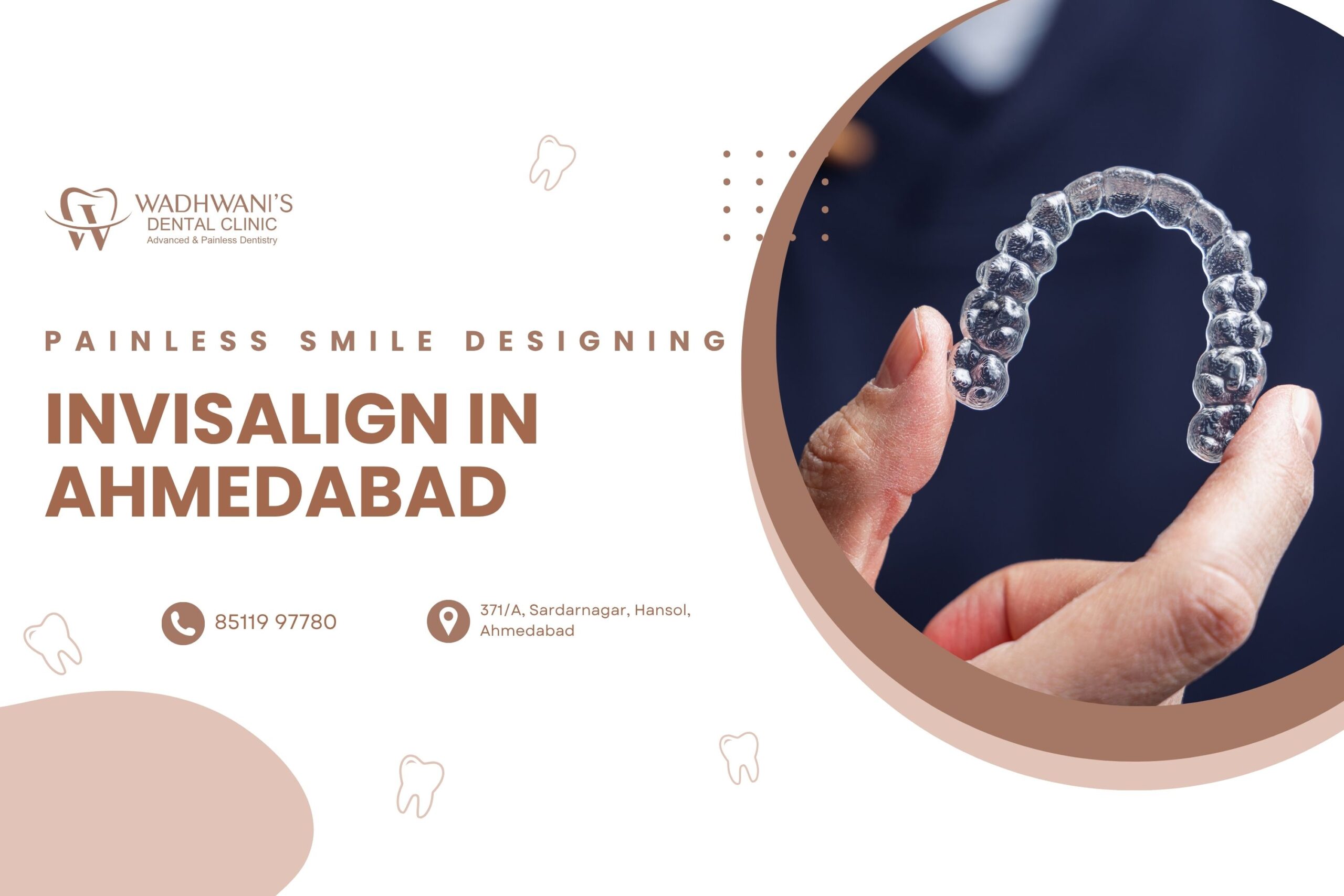
Not every patient needs the same approach. Some cases are best handled with braces, while others may be suitable for clear aligners like Invisalign. During your consultation, we explain both options in simple terms and help you choose what fits your lifestyle.
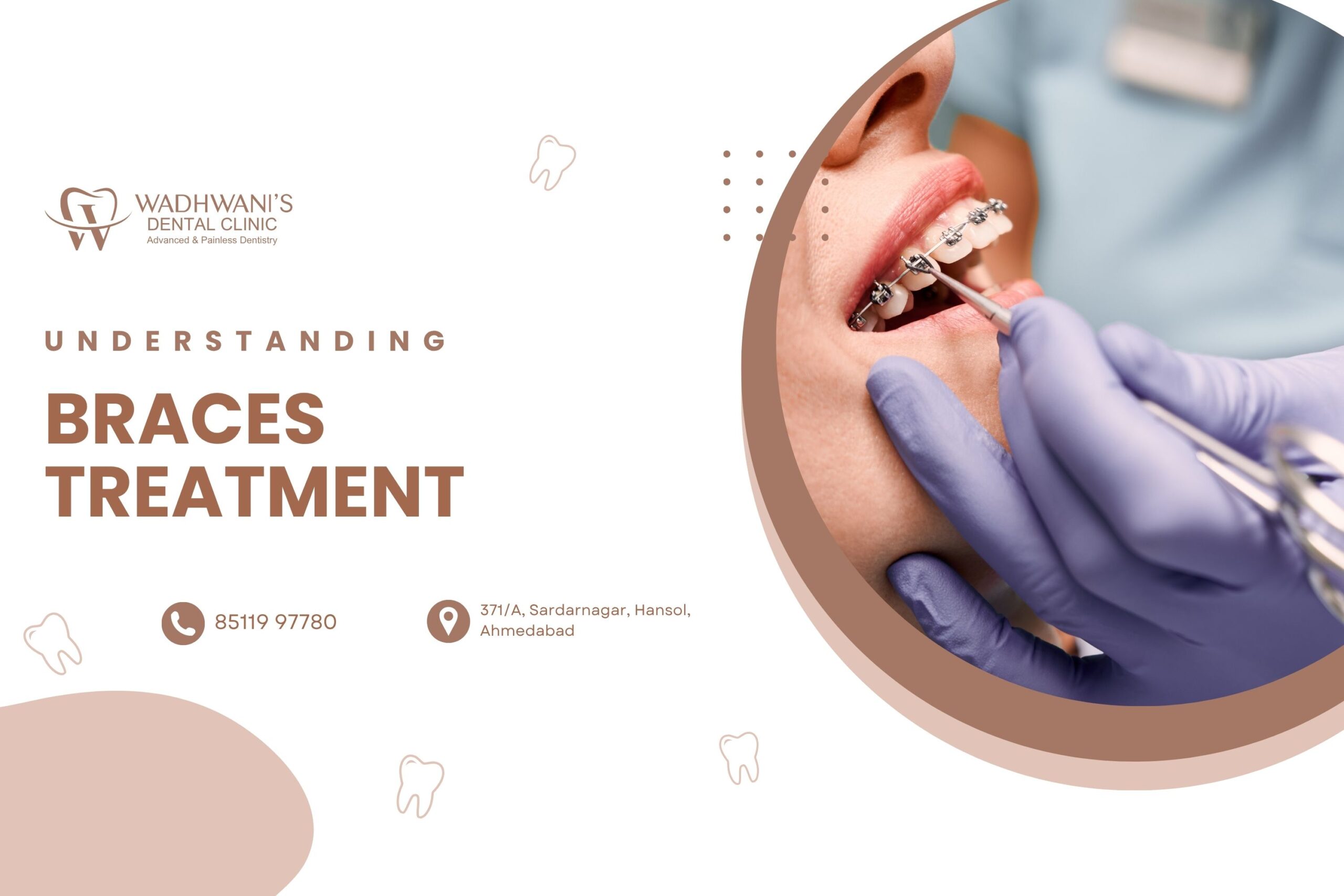
Braces are fixed on the teeth and work continuously. Aligners are removable and can be a good choice for people who want a more discreet option. Both routes can be painless with proper care, gentle adjustments, and the right daily habits.
Our goal is to match the solution to you—not the other way around. If you are concerned about visibility, work meetings, family events, or comfort, tell us openly. We plan around your life, not against it.
- Fixed braces: A reliable choice for many types of tooth movement. Because they stay on the teeth, you do not have to remember to wear anything, and progress continues day and night.
- Clear aligners (like Invisalign): Removable trays that fit closely over teeth. Many adults like them for their discreet look and convenience during meals and special occasions.
- Comfort-first planning: Whether you choose braces or aligners, we plan changes gradually to keep the experience as painless as possible.
- Lifestyle and hygiene factors: We guide you on what daily cleaning will look like for each option, so you can choose confidently.
- Long-term smile goals: We discuss your expectations, your bite, and your overall smile design so the final outcome looks natural and feels comfortable.
Step 4: The Day Braces Are Put On—What It Feels Like
This is the step that many people fear, but it is usually much easier than expected. Getting braces placed is a careful, gentle appointment. Most patients are surprised by how calm and painless the process feels when it is done step-by-step.
We clean and prepare the teeth, place the braces, and guide you through what to expect over the next few days. You may feel a sense of pressure as your teeth begin to respond, but it should not feel like a sharp pain. Any initial tenderness generally settles as your mouth adjusts.
We also give simple tips to help you eat comfortably and protect your cheeks and lips during the first week. With proper guidance, the start of braces can be smooth and manageable.
Step 5: Adjustments and Follow-Ups—Small Changes, Big Progress
Braces work through steady, planned movement. That is why follow-up visits are important. During these appointments, we make small changes to keep your teeth moving in the right direction. These visits are generally short, and we always aim for a painless experience.
After an adjustment, you might feel slight tightness for a day or two—this is normal and usually mild. Many patients continue their daily routine without major interruptions. We will tell you what to eat, how to stay comfortable, and when to call us if anything feels off.
Consistency is key. Keeping your scheduled visits helps the treatment stay on track, reduces surprises, and makes the overall journey more predictable and comfortable.
Eating with Braces: Simple Changes That Make It Easy
Eating is one of the first practical concerns people have. The truth is: you can enjoy most foods with a few smart adjustments. For the first few days after braces are placed or adjusted, soft foods can feel more comfortable. As your mouth adapts, you will find your normal rhythm again.
We suggest cutting harder foods into smaller pieces and chewing slowly. This protects your braces and helps you stay comfortable. Avoiding very sticky or extremely hard foods can also reduce the chance of something loosening, which keeps the experience more painless and stress-free.
If you ever feel unsure about a specific food, ask us. We guide you in a practical way, based on your habits and preferences.
Keeping Teeth Clean During Braces (Especially Important for Adults)
Braces can make cleaning more detailed, but it is completely manageable with the right routine. For adults, gum care is especially important because healthy gums are the foundation of a successful and painless braces journey.
We teach you how to brush properly around the braces and how to clean between the teeth. This reduces food trapping and helps prevent staining. A little extra care daily can make a big difference in how your teeth look when braces come off.
Many patients find that after a few weeks, the routine becomes automatic. If you ever struggle, we can demonstrate again—there is no embarrassment. Our focus is to support you calmly through every stage.
Common Concerns: Discomfort, Speech, and Social Confidence
It is common to worry about how braces will feel in your mouth or how they will look when you speak. Most people adapt faster than they expect. You may notice minor changes in speech in the early days, but this usually improves as your tongue and cheeks get used to the new shape.
As for comfort, modern techniques and gentle follow-ups help the process stay painless. If any area feels irritated, we guide you with simple solutions that protect your cheeks and lips. Small steps like these keep the journey comfortable and allow you to continue your daily activities confidently.
Social confidence matters, especially for adults who meet people regularly. If you prefer a less noticeable solution, we can discuss aligners or other discreet options during your consultation.
How Long Does Braces Treatment Take?
Treatment time depends on your starting point and your goal. Some people need only minor alignment changes, while others need more detailed correction. The best way to get a clear timeline is to come for an evaluation and scan, so we can plan accurately.
Adults sometimes assume braces always take many years, but that is not always true. With good planning, regular follow-ups, and proper home care, progress can be steady. A well-guided plan is also more likely to feel painless because it avoids rushed or unpredictable changes.
At Wadhwani Dental, we explain the estimated time in a simple way and update you as you progress, so you always know where you stand.
When Braces Come Off: The Finishing Steps That Protect Your Smile
Removing braces is usually a happy milestone—and it is typically a painless appointment. After removal, we clean the teeth and check your bite and alignment. Many patients love seeing how much the smile has improved, not just in appearance but also in how the teeth fit together.
But the journey does not end the same day braces come off. Teeth can slowly shift if they are not supported. That is why retainers are important. We guide you clearly on how and when to wear them so your new smile stays stable.
Think of retainers as insurance for your result. They help you enjoy the outcome for years, especially after all the effort you have put in.
A Gentle Approach Matters: Your Painless Experience with Dr Ashwini Wadhwani
The biggest difference in a braces journey is not only the braces themselves—it is the planning, the follow-ups, and the way you are cared for. At Wadhwani Dental, our focus is advanced and painless dentistry, and we keep your comfort at the center of every step.
With Dr Ashwini Wadhwani, Gold Medalist, you receive guidance that is clear, calm, and focused on your long-term results. We take time to answer your questions, explain options, and adjust the plan when needed. For patients who need more comprehensive improvements, we also have experience in smile designing and full mouth rehabilitation planning, so every smile is approached thoughtfully.
If you have been delaying braces because you fear discomfort or uncertainty, we invite you to speak with us once. A simple consultation can replace fear with clarity—and set you on a painless path to a better smile.
FAQ: Braces Questions We Hear Often
1) Are braces painful?Braces are designed to apply gentle pressure. Most people feel mild tightness for a short period, especially after adjustments. With proper guidance and gradual changes, the overall experience can be painless and manageable.
2) Am I too old to get braces?No. Many adults choose braces to improve chewing comfort, hygiene, and confidence. The key is healthy gums and a good plan, which we assess during your first visit.
3) Will braces affect my daily routine?Only slightly in the beginning. You may need a few simple food and cleaning adjustments, but most patients continue work, social events, and family life without major changes.
4) Can I choose clear aligners instead of braces?In many cases, yes. During your consultation at Wadhwani Dental in Sardarnagar, Ahmedabad, we will check your needs and explain whether aligners or braces suit you better.
5) What happens if something feels uncomfortable or a bracket loosens?Do not worry. Contact our clinic, and we will guide you. Quick support helps keep the journey painless and prevents small issues from becoming bigger ones.